

How to Replace a Replacement Upvc Door Lock Mechanism
A new upvc lock mechanism is a great option for increasing the security of your home. It is crucial to determine the type of uPVC door lock you have to locate the replacement.
upvc door locks replacement www.repairmywindowsanddoors.co.uk or high pressure can cause uPVC mechanisms to stick. Lubricating the hinges is a quick fix.
Identifying the manufacturer
The first step to replacing the uPVC lock mechanism is to identify the manufacturer. This can be done by examining the lock and looking for a label with the name or number. The identification of the manufacturer will help you locate the exact replacement. It will also help ensure that the new lock will work with your door. If the lock is not installed correctly, it could cause problems with uPVC seals and other components.
If your uPVC locks begin to jam, or get stuck in the locked position, this is another indication that they need to be replaced. A door lock that is jammed can be both unpleasant and a security risk. It is best to fix the issue as soon as possible.
The idea of tackling the DIY door lock replacement project isn't as difficult as it might seem. All you need is a basic toolkit and a bit of patience. It is simple to replace a uPVC door lock when you follow the right steps. You can even save money by doing it yourself. Hardware stores carry all the tools you require. Mallets made of rubber can be used to aid in screwing the lock into place.
Test your uPVC locks after replacing them to ensure they are working correctly. Check that the key turns easily and that there are no other issues. Contact a locksmith if you find any issues.
It's great how to complete your own home improvement projects, however there are some tasks better left to the professionals. This is particularly relevant when it comes to uPVC locks. Hiring a professional will save you time, money, and headaches, and can also help prevent your insurance from being invalidated because of a wrong DIY project. Besides, professionals can offer helpful suggestions and tips that you may not have considered. They can also assist you to select the best materials for your uPVC doors.
Verifying the Alignment of the Hinges
Whether or not you can unlock the lock mechanism, or just need to clear it, you'll also want to ensure that the door is sitting correctly within the frame. This usually means that the hinges are not in alignment.
This is a simple task that you can perform yourself. It is a must when your doors made of uPVC aren't closing as they should. To check if your hinges are not aligned, take off the plastic cover from the main section of the pivot and examine the gap at the top and bottom. The gaps should be the same - if they are not, you will need to adjust your hinges.
Make use of an Allen key to make this job easier. Insert the Allen key into the hole that is in the middle of the top hinge and turn it a bit at one time. Repeat the process on the middle and bottom hinges. Once you've finished adjusting the hinges, shut and lock your uPVC door to see how it closes. If it doesn't shut properly, continue to rotate the hinges, a little at a time.
Apart from adjusting the hinges you should also regularly clean and lubricate your uPVC doors to ensure that they are in good working order. It is crucial to do this since changes in weather can cause your uPVC doors to expand or expand or contract. This could cause your hinges to become stretched, causing your uPVC doors to get stuck or become difficult to open and shut.
You can clean your uPVC doors using either a damp cloth or WD-40. Every six months, it is recommended to apply lubrication to the uPVC by using a dust-resistant lubricant. This will lessen friction and ensure that the uPVC is looking and functioning as new. This is a great way to avoid costly repairs in the future. It will ensure that your uPVC door remains safe for many years to come.
Identifying the Cylinder
Before starting to adjust your uPVC lock, determine the kind of cylinder you want to use. This will enable you to select the right size screw and ensure that your door is correctly fitted. You can utilize a spirit level to determine the alignment of your door, and a measuring tape to measure the length. Once you have this information you can then determine how to adjust the hinges.
A damaged cylinder could be a serious security risk and will need to be replaced as soon as possible. Burglars will try to pick a lock to gain entry into your property and a damaged cylinder can make this much more difficult. It is good to know that replacing and repairing your uPVC locks is a simple task you can do yourself or with the assistance of locksmith.
Be aware of the indications that your cylinder may be on its last legs. If your handle jams or doesn't turn, it is probably the time to replace. If your cylinder is damaged or has been kicked into, then this is definitely the time to replace it.
If your cylinder isn't working correctly, you should consider replacing your lock faceplates and door handle. Lubricating your locks can help to prevent them from becoming stuck or squeezing. You can do this by using a graphite-based lubricant. It will not attract dust, like petroleum-based products. It is recommended that you regularly lubricate your locks every six months to ensure they remain snag-free.
The replacement of your uPVC lock isn't something you have to frequently however it is essential to be on top of the maintenance. This will help save the cost of repairs, and will make your home more secure. If you are unsure of how to change your uPVC locks, or if you do not have the equipment, it is best to speak with an expert. A Checkatrade certified locksmith will be able to provide you with a precise estimate for the job. Enter your postcode to locate local experts near you.
Identifying the Lock
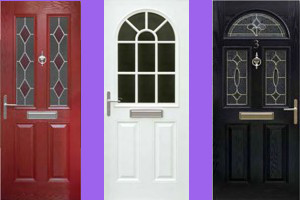
As with all household items as with any household item, your uPVC door locks can present issues from time-to-time. These issues are generally easy to fix, and addressing them swiftly can protect your home's security. The most frequent issue is a jammed lock which can cause anxiety and frustration if you are trying to gain entry into your home.
You can adjust or lubricate your lock mechanism to fix the problem. If you notice that your uPVC locks are stiff or jamming regularly it could be time to replace the cylinder. A reputable locksmith in your area will ensure that the procedure is carried out correctly and won't cause further damage to your uPVC doors.
It is important to identify the manufacturer of your uPVC lock when you are searching for an alternative. This information is found on the faceplate of the lock. Once you have this information it will be simpler to select the correct replacement lock. This will ensure that the new lock is compatible with your uPVC doors. You should contact an expert locksmith to complete this task. They will have the tools needed to disassemble the lock and clean any dirt or debris that has accumulated within the mechanism.
Another reason it is recommended to seek the assistance of a locksmith when replacing your uPVC lock is because they can help you select the best type of cylinder for your door. There are many different types of cylinders that each have various levels of security. The best type of cylinder will increase the security of your property and provide your family and you peace of mind.
A faulty uPVC locking system can pose a major security risk and cause a lot of inconvenience. It is important to address the issue immediately to regain entry to your home and avoid break-ins. Keep these suggestions in mind will help you identify and resolve the issue quickly. It is recommended to contact an experienced locksmith if you can't solve the issue by yourself.